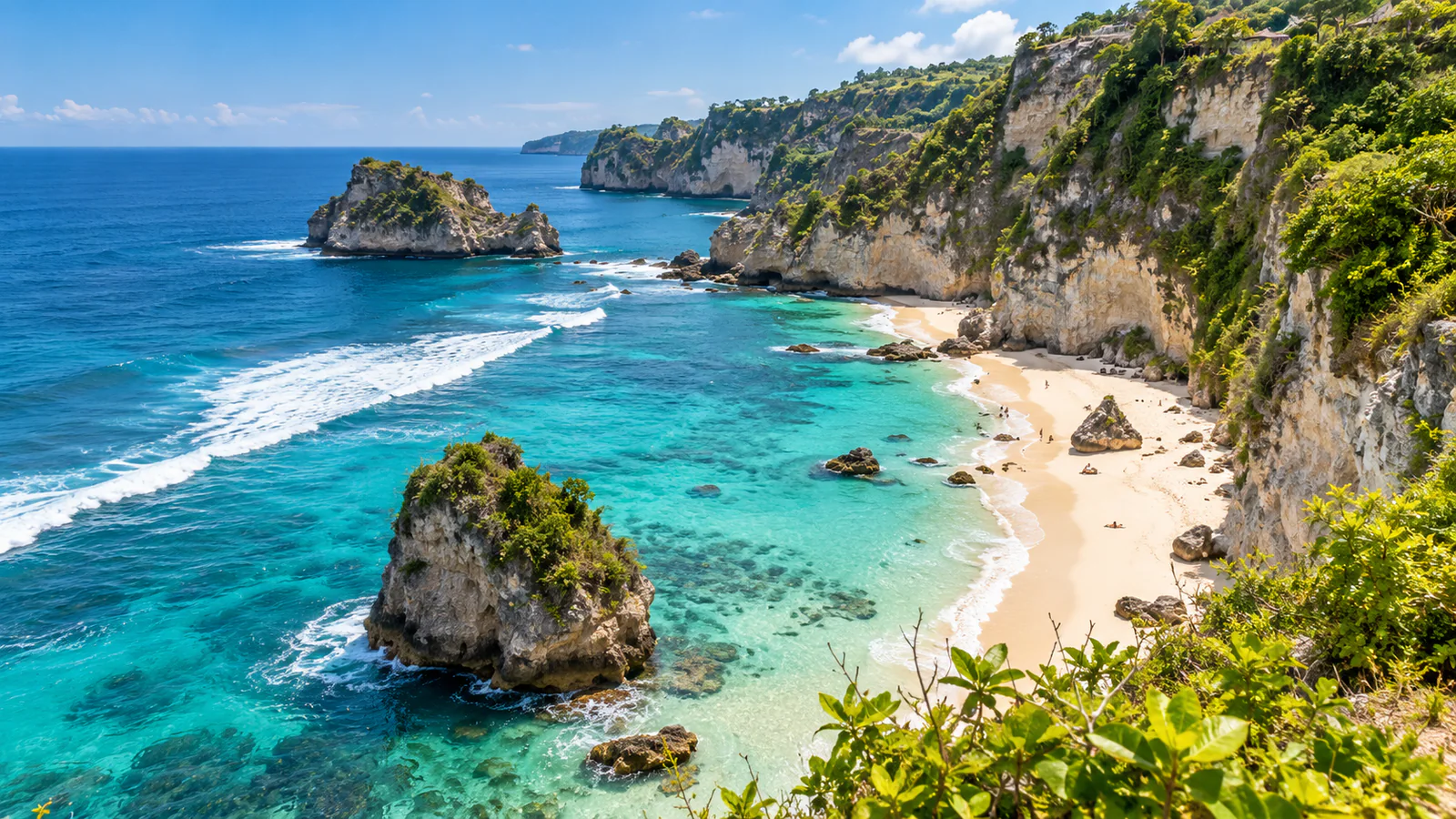
The best beaches in Uluwatu are not necessarily the ones that look the most impressive in photographs. Each part of the coastline has its own character, access conditions and relationship with the tide, swell and reef. Some beaches are better suited to a relaxed visit, while others are closely connected with surfing and can become challenging when the ocean is active.
The main Uluwatu beaches are spread across the southern part of Bali's Bukit Peninsula. Suluban, Bingin, Padang Padang and Nyang Nyang are among the best-known options, but they offer very different experiences. A compact beach below a cliff can feel completely different at high tide, while a quieter coastline may require a longer walk and more preparation.
For this reason, choosing a beach in Uluwatu is best done according to what you want to do. If your priority is swimming, look at water conditions and tide. If you want to surf, consider the exact break and your ability. For sunset, focus on access, viewpoint and timing rather than simply choosing the beach with the best photograph.
- 01Choose the beach for the activity you want: swimming, surfing, sunset or a quiet cove.
- 02Check tide, swell and access stairs on the day.
- 03Bring water and leave time for the walk back up from the beach.
Suluban Beach: Surf Culture and Dramatic Coastal Scenery
Suluban is one of the most recognisable coastal areas in Uluwatu and is closely connected with the local surf scene. The approach through cliffs, stairs and rock formations gives the beach a very distinctive character, while the surrounding area has developed around surfers, cafés and visitors exploring the coastline.
Suluban is not a conventional wide sandy beach where you simply arrive, put down a towel and spend the entire day swimming. The amount of usable sand changes with the tide, and waves and surge can affect the rock areas. It is better suited to visitors who want to experience the landscape and atmosphere of Uluwatu while remaining aware of the conditions.
🌊 Best for experiencing Uluwatu's surf atmosphere
Suluban is closely associated with the Uluwatu surf environment.
Even if you do not surf, watching the waves and surfers from the coastline can be part of the experience. However, the famous surf breaks should not be approached without the appropriate experience and local knowledge.
🪨 Best for dramatic coastal scenery
The combination of cliffs, rocks, caves and ocean creates a very different landscape from a conventional resort beach.
The access itself is part of the visit, so comfortable footwear and a realistic plan for the return climb are useful.
🌙 Best when you want a flexible coastal stop
Suluban works well when you are already exploring the Uluwatu area and do not need a tightly scheduled beach day.
Tide, swell and daylight can change the experience, so check conditions before entering confined rock areas or approaching the water.
Bingin Beach: A Cliffside Beach for Surfers and Beach Lovers
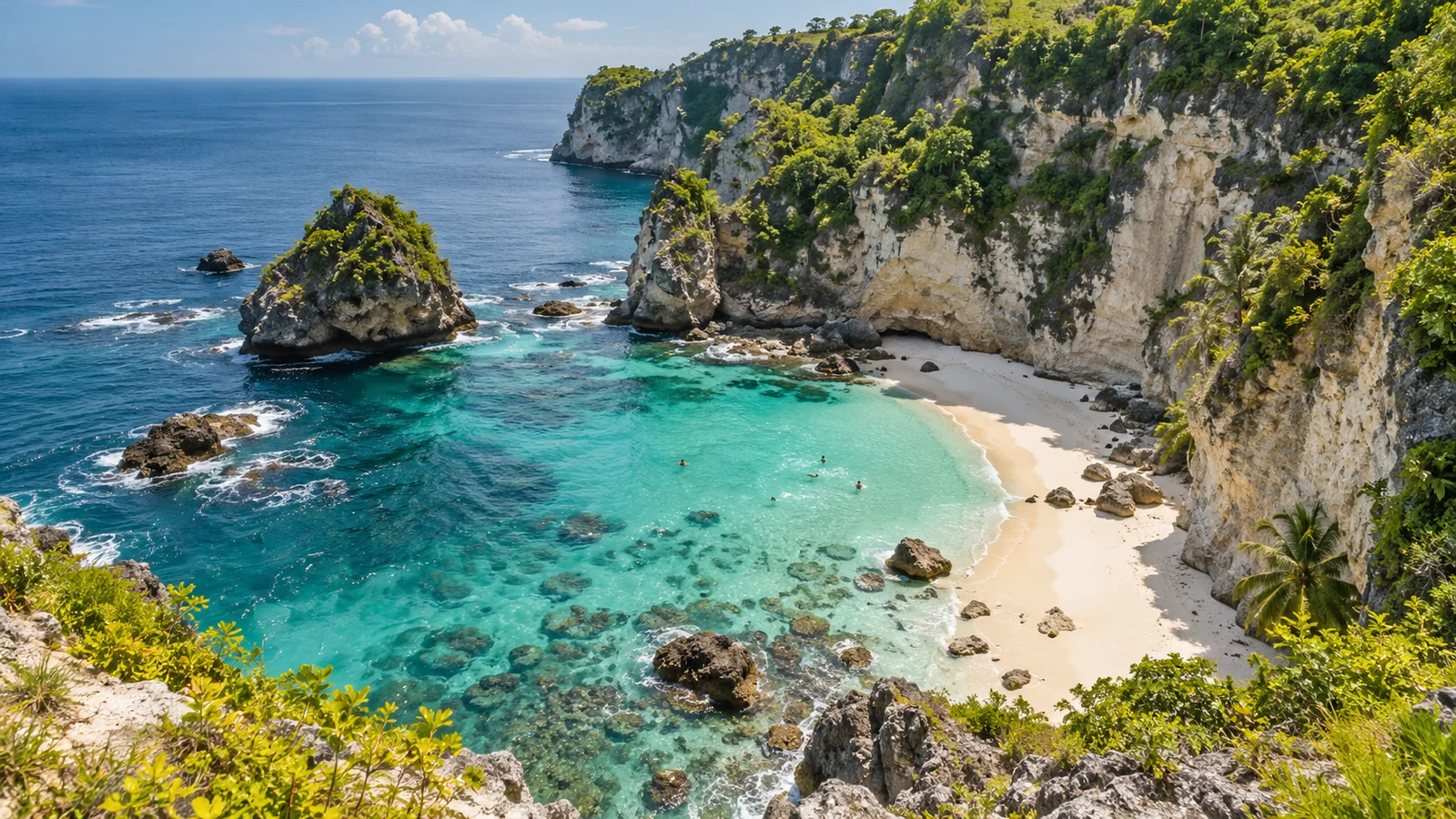
Bingin is another popular beach on the western side of the Bukit Peninsula. It combines a sandy coastal area with a reef surf break and a collection of accommodation, cafés and restaurants above and around the beach.
One of the defining features of Bingin is the descent. Getting to the beach involves stairs, and the return journey can be more demanding than the route down, particularly in the heat. This is worth considering if you are carrying beach equipment, travelling with small children or simply want an effortless beach day.
🏄 A popular surf environment
Bingin has a strong connection with surfing and attracts surfers looking for reef waves.
The conditions should be assessed independently from the appearance of the beach. A wave that looks small from above can still break over shallow reef and require appropriate surfing skills.
🪜 Prepare for the stairs
The access route is an important part of the Bingin experience.
Plan the return climb before spending several hours at the beach, especially during the hottest part of the day. Carrying less equipment can make the visit considerably easier.
🍽️ Combine the beach with food
Bingin can work particularly well as part of a longer afternoon or evening plan because food and accommodation options are located around the area.
Instead of travelling to another part of Uluwatu immediately after the beach, you can stay nearby for a meal or sunset.
Padang Padang Beach: A Compact and Popular Uluwatu Beach
Padang Padang is one of the most famous beaches in the area and is often included in first-time Uluwatu itineraries. Its compact shape and distinctive access have made it a popular stop for travellers who want to experience one of the Bukit Peninsula's best-known beaches.
The beach can become busy, particularly during popular periods, so expectations are important. Photographs can make the cove appear much quieter and more spacious than it feels when visitor numbers are high. Current access arrangements, tide and water conditions should be checked before visiting.
📸 A popular choice for sightseeing
Padang Padang is easy to recognise and can be a convenient addition to a first visit to the area.
The compact setting makes it possible to combine a beach stop with other nearby activities instead of spending an entire day travelling between distant parts of the peninsula.
🏖️ A beach where timing matters
The available sand and character of the water can change with the tide.
If you want to spend time on the beach rather than simply visit the viewpoint and take photographs, check the local tide before setting out.
👨👩👧 A beach that still requires water awareness
A popular and relatively accessible beach should not automatically be interpreted as a risk-free swimming location.
Observe the shorebreak and currents, supervise children closely and follow local warnings. The fact that many people are in the water does not guarantee that conditions are suitable for everyone.
Nyang Nyang Beach: A Quieter Coastal Experience
Nyang Nyang offers a different type of beach visit from the compact coves associated with Suluban and Padang Padang. The coastline is broader and the approach can require more effort, which is one reason it can feel more removed from the busiest tourist areas.
The access route is an important part of planning a visit. Roads, parking, paths and facilities can change, so current information should be checked shortly before travelling. The combination of heat, sun exposure and the return journey means that a trip to Nyang Nyang should be planned rather than treated as an effortless beach stop.
🌴 A choice for a longer coastal outing
Nyang Nyang is better suited to travellers who enjoy exploring rather than simply stepping out of a car onto the sand.
Allow enough time for both the descent and the return journey.
☀️ Prepare for heat and limited shade
Bring sufficient drinking water, sun protection and footwear suitable for uneven surfaces.
The effort required to reach the beach can feel very different in the middle of the day compared with a cooler morning or late afternoon.
🌊 Check the ocean before swimming
The open coastline can be affected by swell, current and shorebreak.
A quiet beach should not be interpreted as a safe beach automatically. Observe the water and follow current local guidance before entering.
Which Uluwatu Beach Is Best for Swimming?
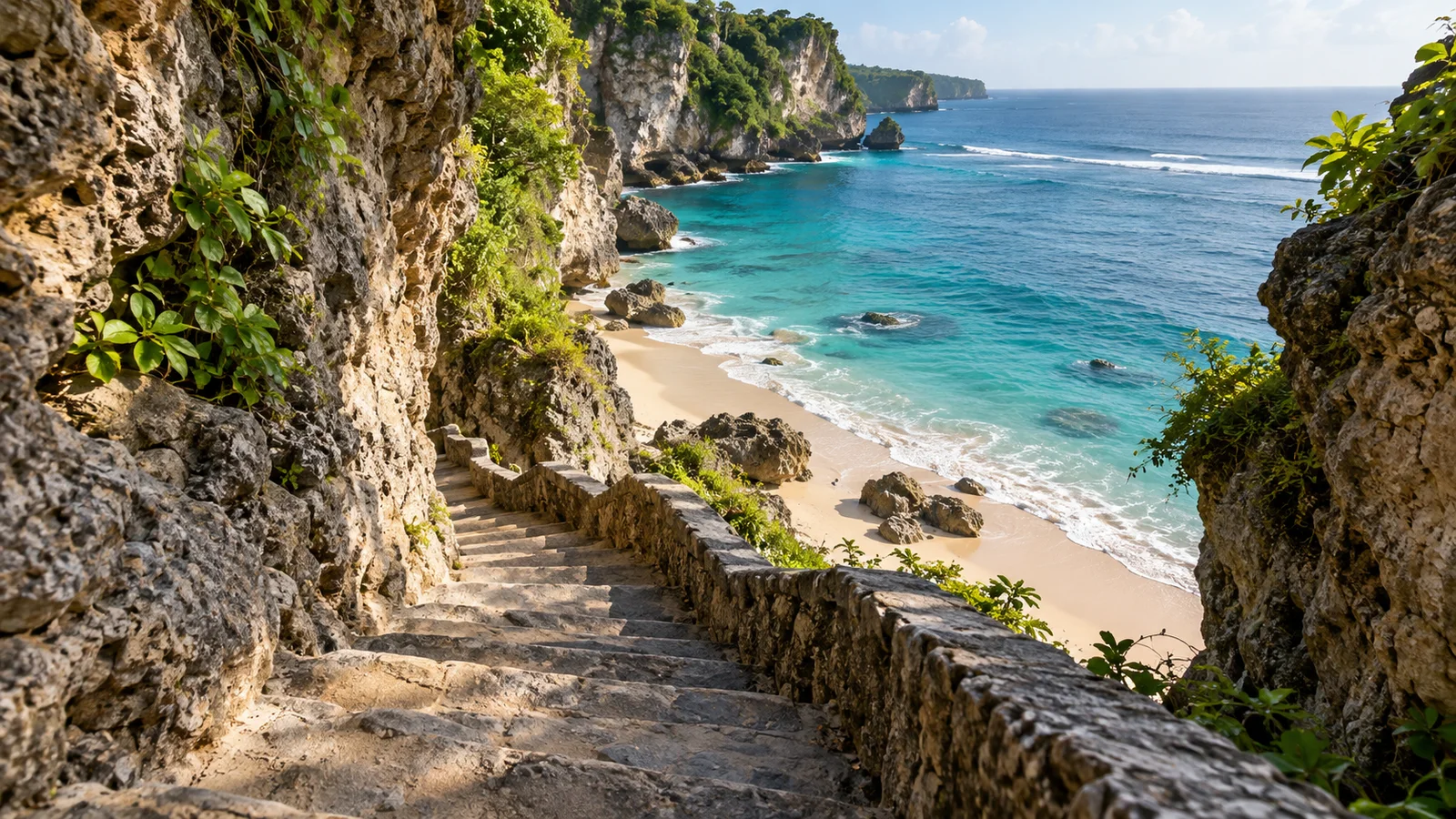
Swimming conditions vary from day to day, so there is no single beach that can always be described as the safest or best for swimming. Tide, swell, shorebreak, currents and the shape of the coastline can change the experience considerably.
This is especially important in Uluwatu because several beaches are connected with reef surfing or exposed coastal areas. A beach may be beautiful and popular while still having conditions that are unsuitable for swimming at a particular time.
🌊 Check the tide first
Tide can change the amount of available sand and alter water movement around rocks and reef.
Before swimming, check the current tide information for the specific beach rather than assuming that conditions will remain the same throughout the day.
👀 Observe the water
Spend a few minutes watching the waves before entering.
Look for currents, shorebreak and the way sets move across the beach. If the water appears stronger than you are comfortable with, staying onshore is the better decision.
🚫 Follow local warnings
Local signs, staff and other current safety information should take priority over general travel advice.
Conditions can change quickly, and a recommendation that was appropriate on another day may not apply to the conditions you encounter.
Which Uluwatu Beach Is Best for Surfing?
Uluwatu is one of Bali's best-known surfing areas, but the word “beach” can be misleading when discussing surfing here. Several of the famous waves break over reef, and the surfing environment can be considerably more demanding than the sandy shoreline suggests.
Suluban is closely connected with the Uluwatu surf area, while Bingin and Padang Padang also have established surf environments. The right choice depends on swell, tide, wind, crowd and your experience rather than simply selecting the beach with the most famous name.
🏄 Experienced surfers
Experienced surfers can use the daily swell and wind forecast to determine which section is appropriate.
Even for experienced surfers, reef depth, currents, entry and exit routes and crowd conditions should be considered before entering.
🌊 Intermediate surfers
Intermediate surfers should choose a session that leaves a margin for changing conditions.
Being able to surf open waves does not automatically mean that a particular reef break is appropriate. Local guidance can be particularly useful when surfing an unfamiliar section.
🏄♂️ Beginners
Beginners should not choose a beach simply because it is associated with surfing.
A qualified instructor should select a suitable teaching location based on the day's conditions and the student's ability. The famous Uluwatu reef is generally better known for more demanding surfing than first lessons.
Which Uluwatu Beach Is Best for Sunset?
Sunset is one of the easiest activities to combine with a day exploring Uluwatu, but you do not necessarily need to be standing on a beach to enjoy it. The cliffs around the peninsula provide elevated views over the Indian Ocean, while beaches and nearby cafés can create a more relaxed setting.
The most important consideration is access. A beach that requires a long descent may not be the best choice if you are planning to leave after dark, while a cliffside viewpoint can provide a simpler way to watch the sun disappear over the ocean.
🌅 Suluban for a coastal atmosphere
Suluban combines dramatic rocks, cliffs and the surrounding surf environment.
It can be a memorable place to experience the coastline in the late afternoon, but visitors should plan the return route and pay attention to tide and daylight.
🌴 Bingin for sunset and dinner
Bingin can work well when you want to combine beach time with an evening meal.
The surrounding area has restaurants and accommodation, making it easier to continue the evening without immediately getting back on the road.
📸 Padang Padang for a compact stop
Padang Padang can be useful when you want to include a well-known beach in an afternoon itinerary.
Because it is popular, arriving with enough time before sunset is preferable to planning a last-minute visit.
How Do Tide and Weather Affect Uluwatu Beaches?
Tide and weather can influence almost every beach experience in Uluwatu. The amount of sand available, water movement, exposed reef and ease of access can all change during the day.
This means that a beach that looks ideal in the morning may have a completely different character later. Visitors planning swimming, photography, surfing or a long walk should therefore check current conditions rather than relying solely on general descriptions.
🌙 Tide changes the shoreline
At some beaches, the available sand can shrink significantly as the tide rises.
This can affect where you sit, how you move along the shore and whether particular rock passages remain accessible.
🌊 Swell changes water conditions
Larger swell can increase wave energy and surge around rocks and reef.
A calm-looking beach on a small-swell day should not automatically be expected to behave the same way when ocean conditions become stronger.
☀️ Weather changes the comfort of the visit
Heat and direct sun can make a demanding beach approach considerably harder.
For beaches involving stairs or longer walks, morning or later afternoon can be more comfortable, although daylight and current conditions should always be considered.
What Should You Take to an Uluwatu Beach?
The amount of preparation you need depends on the beach. A quick stop near an established area requires less planning than a longer excursion involving stairs, uneven ground or limited facilities.
The safest approach is to carry the basics and avoid assuming that every beach will have convenient shops, toilets, showers or reliable payment options.
💧 Drinking water
Bring enough water for the journey down, time at the beach and the return route.
This is particularly important for beaches where the walk back involves stairs or exposed paths.
🧴 Sun protection
Sun protection is essential during a long beach visit.
A hat, sunscreen and clothing that provides protection can be useful, especially when there is limited natural shade.
👟 Suitable footwear
Shoes with good grip are useful for stairs, rocks and uneven coastal paths.
Flip-flops may be comfortable on sand but can be less practical during a steep descent or over slippery surfaces.
📱 A secure place for valuables
Keep electronics and important items protected from water and sand.
Avoid taking more valuables than you actually need, especially when visiting a beach where you will be moving between the water and coastline.
How to Choose the Best Beach in Uluwatu
The best beach depends on the type of experience you want rather than a universal ranking. Suluban is closely tied to surf culture and dramatic cliffs, Bingin combines a beach with a strong surf environment and nearby food options, Padang Padang is a compact and popular sightseeing stop, while Nyang Nyang offers a broader coastal outing that requires more preparation.
| Beach | Best suited for | Main character | What to consider |
|---|---|---|---|
| Suluban | Surf culture, scenery, experienced surfers | Cliffs, rocks and reef surf | Stairs, tide, surge and reef |
| Bingin | Surfing, beach time, food | Cliffside beach and surf environment | Descent, return climb, tide |
| Padang Padang | Sightseeing, beach visit, experienced surfers | Compact and popular cove | Crowds, tide, shorebreak and access |
| Nyang Nyang | Coastal exploration, quieter beach experience | Broad coastline and longer approach | Heat, walking, facilities and return route |
This comparison is a starting point rather than a fixed ranking. Conditions at each beach can change, and the same location may be suitable for one activity while being inappropriate for another on the same day.
How to Visit Several Uluwatu Beaches in One Day
- Choose your main beach
Start with the beach that is most important to you.
- Add one nearby stop
Choose another beach or attraction that does not require a long detour.
- Plan around the tide
Check when the tide changes and consider how it may affect the beaches you want to visit.
- Leave time for the return journey
Stairs, heat and walking can take longer than expected.
- Keep sunset flexible
If sunset is important, choose a final location where you can comfortably remain until dark.
Where to Stay Near the Best Uluwatu Beaches
Where you stay can make a noticeable difference if beaches and surfing are central to your trip. Because the coastline is spread across the Bukit Peninsula, staying close to the area you plan to explore most often can reduce unnecessary travel.
For visitors focused on Suluban and the Uluwatu surf environment, staying around central Uluwatu and Pecatu can be convenient. Bingin and Padang Padang work well for travellers who want to spend more time around the western beaches, while other parts of the peninsula may be better suited to a resort-style holiday.
Surfside Bali is located on Pantai Suluban Street, approximately 250 metres from Suluban. The property is therefore particularly relevant for travellers who want to combine a stay in Uluwatu with easy access to the local surf environment and coastline.
The accommodation offers suites and villas, including private-pool options, and provides board storage and fresh-water rinsing facilities for surf equipment. The property also has 24-hour reception, which can be useful for guests arriving late at night.
Are Uluwatu Beaches Suitable for Families?
Families can enjoy the beaches around Uluwatu, but the choice of beach should take into account access, stairs, heat, tide and water conditions. Not every beach is equally convenient with young children, and a photograph of a sandy cove does not show the effort required to reach it.
For a family beach day, it is useful to choose a location where the access route and return journey are manageable. Parents should also check the water before allowing children to enter and keep them within close supervision.
👨👩👧 Consider the access route
Stairs and uneven paths can be tiring for children and difficult with strollers.
Check the route before leaving and consider whether everyone in the group can comfortably manage the descent and return climb.
🌊 Assess the water on arrival
Do not rely on the popularity of a beach as an indication that swimming conditions are suitable.
Check currents, waves and shorebreak and follow any local warnings.
☀️ Plan around the heat
A long descent followed by several hours in direct sun can be exhausting.
Carry enough water and consider visiting earlier or later in the day when conditions are more comfortable.
What Makes Uluwatu Beaches Different From Other Bali Beaches?
The main difference is the combination of cliffs, reef, stairs and exposed coastline. Many Uluwatu beaches are not designed around effortless access from a resort road directly onto a wide sandy beach.
That is part of what makes the area distinctive. The journey to the coastline, the view from the cliffs and the changing relationship between sand, reef and water are all part of the experience.
For surfers, the reef is a defining feature. For non-surfers, it means that water conditions need to be treated with more attention than a conventional hotel beach. The coastline can be spectacular, but its natural character also means visitors need to plan access and respect the conditions.
Final Tips for Exploring Uluwatu Beaches
The best Uluwatu beaches are different depending on what you want from the day. Suluban is closely connected with surf culture and dramatic cliffs, Bingin combines a beach with a strong surf environment, Padang Padang is a compact and popular stop, while Nyang Nyang offers a more expansive coastal experience that requires additional preparation.
Before visiting, check the current tide, weather and access information. Wear suitable footwear, take enough water and sun protection, and do not assume that a quiet beach or calm-looking photograph means safe swimming conditions. For surfing, always match the break to your actual experience and use qualified local guidance when necessary.
If you are staying in Uluwatu for several days, there is no need to visit every beach in one trip. Choosing one or two that match your interests usually creates a more relaxed experience and leaves enough time for surfing, food, sunsets and simply enjoying the coastline.
Frequently asked questions about the best beaches in Uluwatu
What should I know about the best beaches in Uluwatu?
Start with the practical details in this guide, then plan the best beaches in Uluwatu around your travel dates, preferences and current local conditions.
How far ahead should I plan the best beaches in Uluwatu?
Planning the best beaches in Uluwatu before you arrive makes it easier to choose suitable dates, transport and accommodation without rushing once you are in Uluwatu.
Where is a convenient base in Uluwatu?
A stay close to the Bukit Peninsula keeps beaches, restaurants and surf breaks within easy reach while giving you more flexibility each day.